
Watch the video
Player by YouTube. Open original video ↗
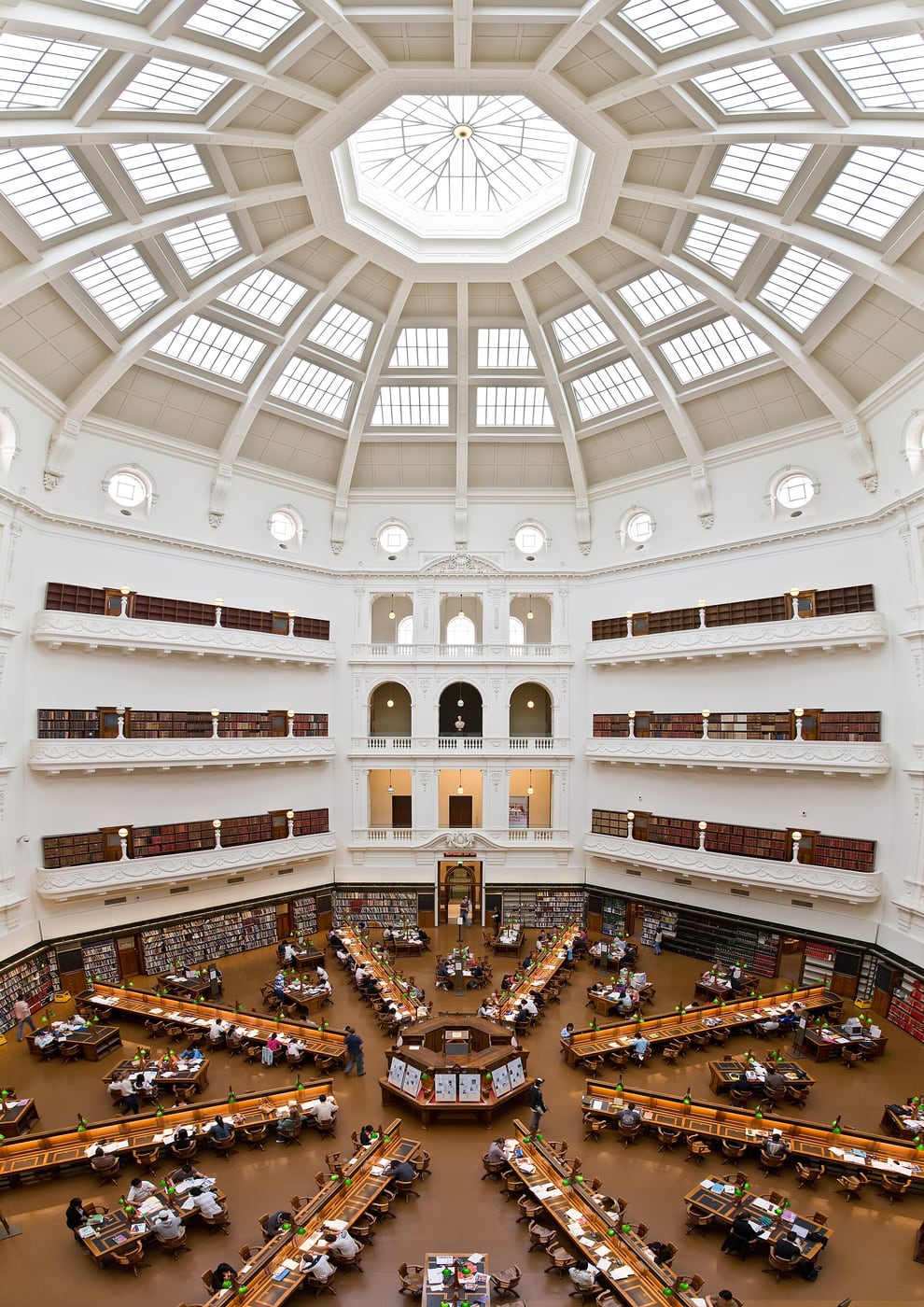
For an author, a book's life continues long after its launch. It may sit on a public library shelf, become part of a school collection or reach a reader who would never have bought a copy. Australia's lending-rights schemes recognise that part of a creative work's life.
A new law has changed the framework supporting the schemes, but it has not required every participating author to begin again. Writers can use the announcement to check whether they need another form, face a new deadline or should update an existing claim.
The Office for the Arts announced on 2 October that the Public and Educational Lending Rights (Better Income for Authors) Act 2026 had taken effect the previous day. It brings the public and educational schemes into a common statutory framework. Educational Lending Right, operating since 2000-01, now has a legislative basis. The department says existing creators and publishers do not need to register again and that the change does not alter their claims or payment arrangements.
Digital formats are not an entirely new addition to this story. Ebooks and audiobooks entered the schemes in 2023.
The reader's loan is not the payment calculation
It is easy to imagine a lending-rights payment as a small fee triggered every time someone borrows a book. That is not how the department describes these schemes.
Its existing-creator guidance explains that payments depend on estimates of eligible copies held by libraries, together with the applicable rates and the creator's share. Public and educational holdings are treated through their respective schemes. An eligible claim is not a guarantee of a payment.
That makes a library collection different from a shop sales report. A writer checking a claim needs the correct work and edition details. They should not expect to reconcile a payment against a list of individual readers' borrowing transactions.
For readers, the distinction also avoids a misleading conclusion: borrowing a particular title does not create a directly traceable payment to its author under this calculation. The schemes support eligible creators through a broader assessment of library holdings.
New authors still need to check the conditions
The department's new-creator page sets out who can apply and which publications can qualify. Its requirements include Australian citizenship or permanent residency, an eligible creative role and the relevant royalty or equivalent entitlement. Publication and identifier requirements also apply. An Amazon identifier alone is not a substitute for an ISBN.
The page lists 31 March 2027 as the next claims deadline when checked on 7 October. It also places a time limit on how long after publication a new claim can be made. Authors should check the current instructions for their own publication year and format.
A practical preparation step is to put the book's title, ISBN, publication date, format and contract details together before opening the form. Where a work has several contributors, make sure the information about the claimant's role and share matches the actual agreement.
For a work released in several formats, check each identifier against the edition actually being claimed. Keep the relevant publishing agreement nearby so the creator's role and entitlement can be checked together.
A new format can need its own attention
An author may have registered a paperback years ago and later released an audiobook. The earlier claim should not be assumed to cover every subsequent version. The existing-creator guidance distinguishes new editions and formats, and provides a separate process for audiobooks.
It also says an existing claim generally does not need to be repeated annually. That is useful administrative relief, but a reason to keep track of changes rather than forget the record entirely.
Self-publishing adds another distinction. The department's self-publisher instructions describe separate creator and publisher claims, even where one person fills both roles. Those claims can concern the same ISBN. A person should follow the relevant registration process rather than assume that identifying themselves as the author also registers the publishing business.
A simple edition register can help: one row per format or edition, with the identifier, publication date and claim status. That is an organisational suggestion, not an additional government requirement.
Human authorship and the wider cultural purpose
The new framework excludes works generated wholly or substantially by AI, according to the department's announcement. It should not be stretched into an unsupported ruling about a particular writer's use of editing or accessibility tools. Anyone uncertain about eligibility should seek clarification through the scheme's published channels.
The paperwork sits alongside a cultural question: how do writers sustain work whose value extends beyond a launch week's sales?
In a September interview, novelist Steven Carroll discussed drawing inspiration from everyday places and experiences, including Melbourne's Glenroy. He also spoke about lending rights and their importance in Australia's relatively small market. His account offers a creator's perspective, rather than a promise about what another author will earn.
For writers, the immediate task is modest but useful: check the correct scheme guidance, confirm each edition's details and keep a record of what has been claimed. The new framework is a significant policy change. For many established participants, the next practical step remains looking after the records attached to the books they have already written.

About the author
RullikClear, sourced explainers on Australia and the world
Rullik is the pen name of the founder of Australia Illuminate (Auslume). Rullik writes plain-language explainers on life in Australia, from immigration, study and work to money, sport and screen culture, always linking to the official sources behind each story. Every story is reviewed before publication.
More from Rullik ↗This article was prepared with AI assistance.
Sources
- https://www.arts.gov.au/news/new-page-lending-rights
- https://www.arts.gov.au/what-we-do/literature/lending-rights-schemes/new-creator
- https://www.arts.gov.au/what-we-do/literature/lending-rights-schemes/existing-creator
- https://www.arts.gov.au/what-we-do/literature/lending-rights-schemes/self-publisher
- https://www.arts.gov.au/news/finding-inspiration-everyday-steven-carroll