
In short: The 2026 Nobel economics prize went to Robert E. Hall and Michael Woodford for building economic models from how households and businesses plan ahead. The Academy says central banks and governments around the world now use these models to steady the economy.
When a central bank raises or cuts interest rates and explains where it thinks rates are heading, it is relying on a way of modelling the economy that this year's economics laureates helped build.
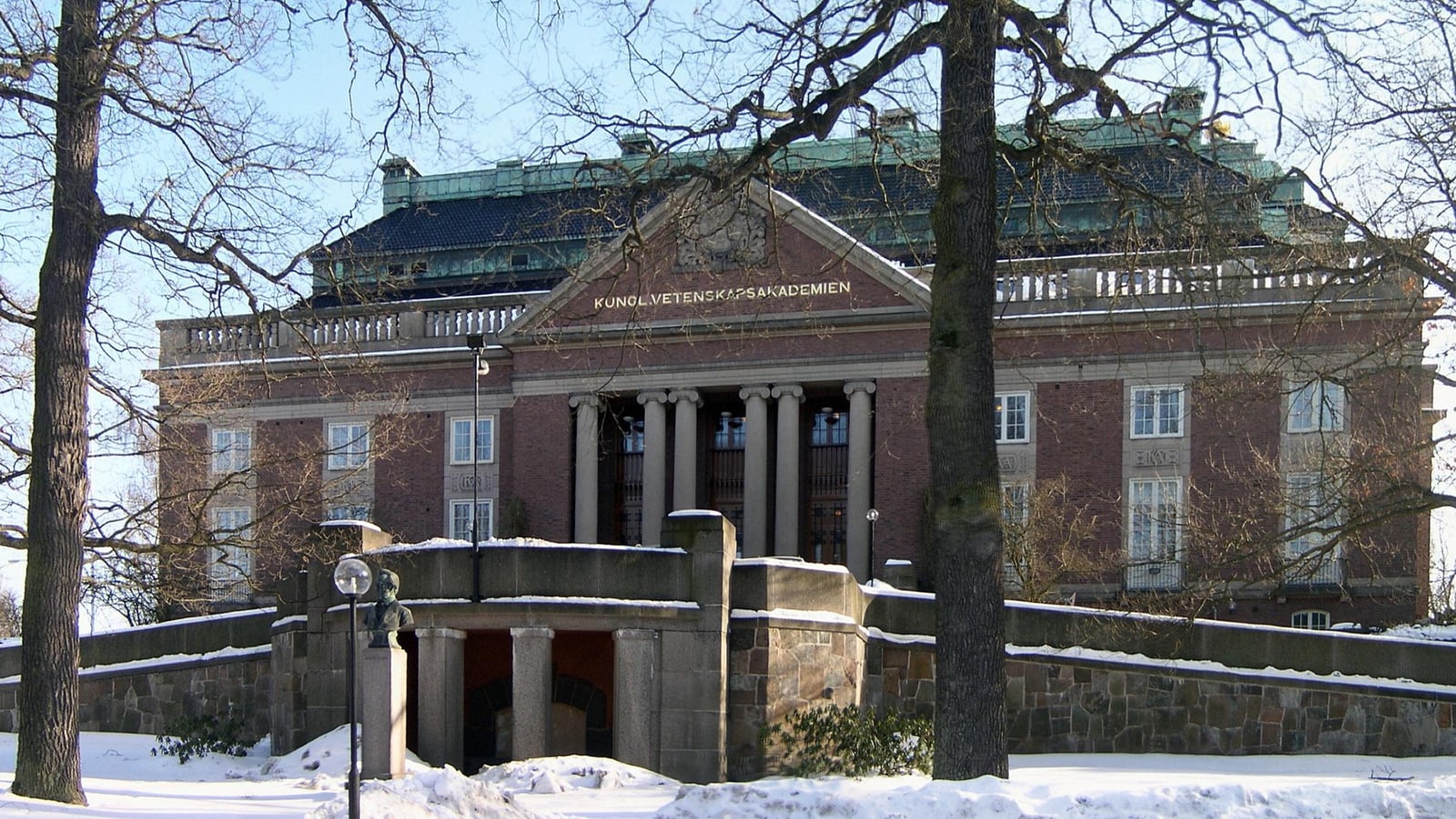
The Royal Swedish Academy of Sciences awarded the 2026 Sveriges Riksbank Prize in Economic Sciences in Memory of Alfred Nobel to Robert E. Hall of Stanford University and Michael Woodford of Columbia University on 12 October, "for microeconomic foundations of macroeconomic stabilisation". The Academy's announcement sets out why.
Economies move through downturns and upturns. Since John Maynard Keynes, governments and central banks have tried to smooth those swings, a job economists call stabilisation policy: cut interest rates or spend more in a recession, do the opposite when an economy runs hot.
Checking your reading access…

About the author
RullikClear, sourced explainers on Australia and the world
Rullik is the pen name of the founder of Australia Illuminate (Auslume). Rullik writes plain-language explainers on life in Australia, from immigration, study and work to money, sport and screen culture, always linking to the official sources behind each story. Every story is reviewed before publication.
More from Rullik ↗