Watch the video
Player by YouTube. Open original video ↗
NASA's latest Webb image feature highlights young stars and jets within NGC 7129, a stellar nursery about 3,300 light-years from Earth. The feature, published on 20 October, draws on an image released earlier in the month.
The agency describes hot atomic hydrogen represented in gold and cooler molecular hydrogen, disturbed by embedded young stars, represented in red. Those colours are a way of presenting infrared information. They should be read with the image key rather than assumed to reproduce a naked-eye view.
What the telescope adds
Infrared observations help astronomers examine regions obscured by dust at visible wavelengths. The value of a detailed image is therefore more than its appearance: it can separate structures and sources that were harder to distinguish before.
An image still needs interpretation. Brightness, colour and apparent proximity on a page do not by themselves establish the temperature, distance or relationship of every feature. Read the accompanying scientific explanation before turning a striking pattern into a claim about what caused it.
Keep the image date separate from the observation
A publication date tells readers when a result or picture was shared. It does not necessarily tell them when every exposure was taken. The same caution applies to a later article revisiting an image released earlier in October.
For students using the picture, a useful exercise is to identify one feature described by the scientists and follow the explanation back to the instrument or data. That is more informative than treating the colours as decoration or assuming a still image is a real-time movie.
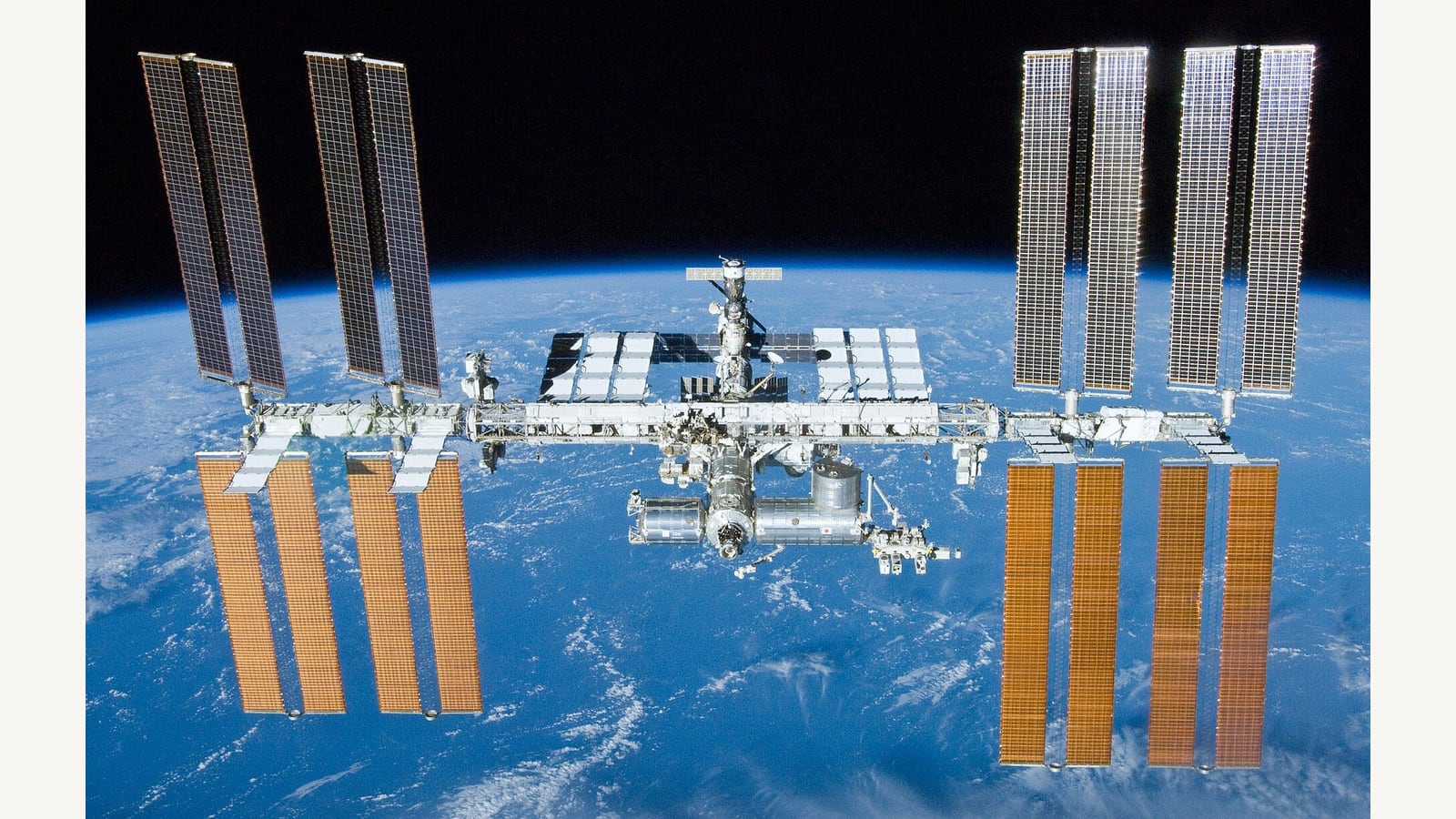
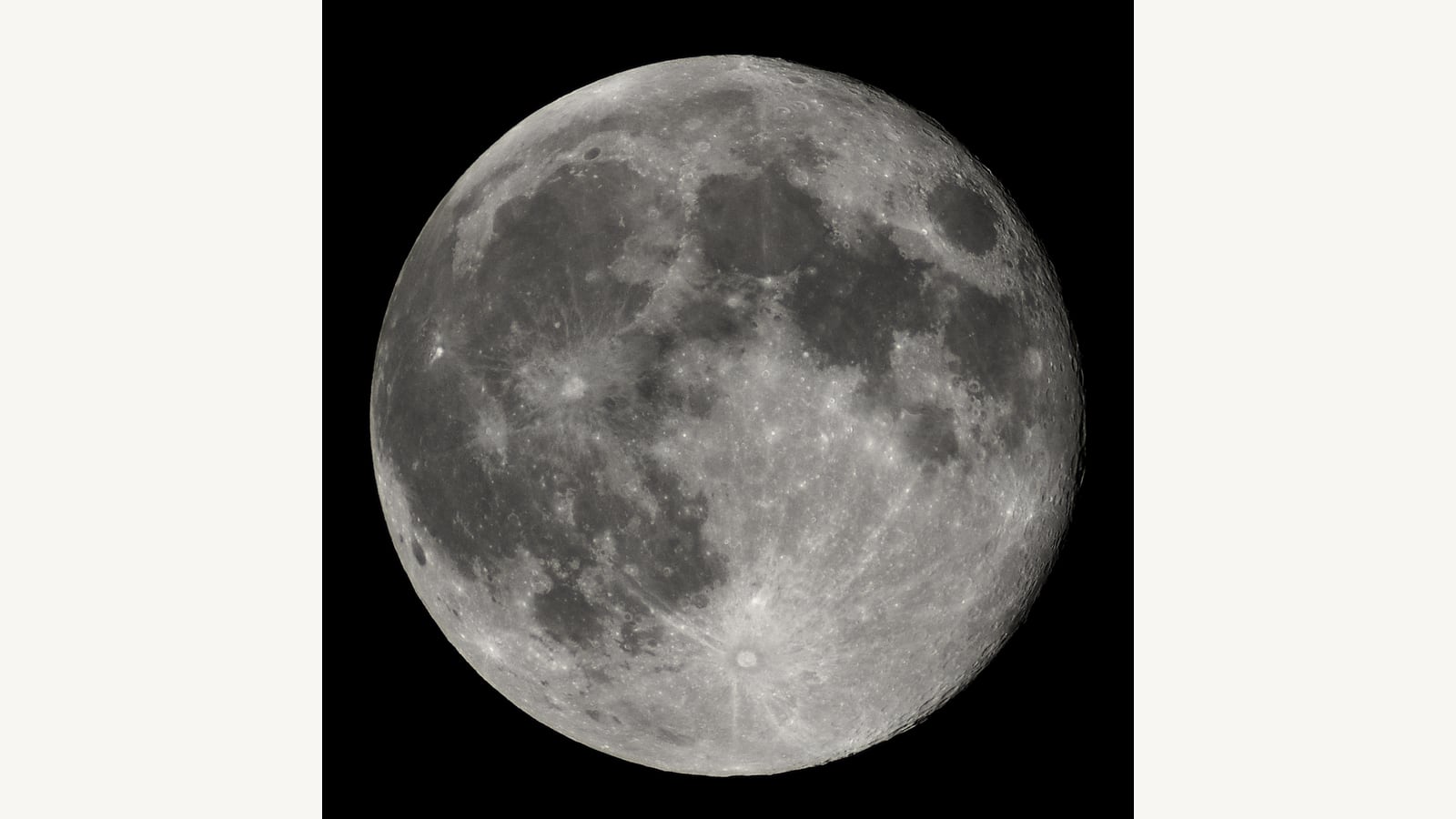
The source links provide the actual NGC 7129 image and its interpretation. The space-station and Moon file photographs accompanying this draft are not Webb images of the nebula. They must not be labelled as the new discovery. No claim of a new planet, evidence of life or a real-time view follows from this release alone.
Related video: NASA Jet Propulsion Laboratory. NASA JPL’s 2023 infrared-astronomy explainer describes how these observations work. It is not a video of the October 2026 image release. Watch NASA Telescopes Reveal an Invisible Infrared Universe.

About the author
RullikClear, sourced explainers on Australia and the world
Rullik is the pen name of the founder of Australia Illuminate (Auslume). Rullik writes plain-language explainers on life in Australia, from immigration, study and work to money, sport and screen culture, always linking to the official sources behind each story. Every story is reviewed before publication.
More from Rullik ↗Image credits
- The illuminated face of a full Moon against a dark sky. File photograph, not the Moon phase on the day of publication.: Photo: Luc Viatour / Wikimedia Commons, CC BY-SA 3.0 (https://creativecommons.org/licenses/by-sa/3.0/). Resized without cropping. Source: https://commons.wikimedia.org/wiki/File:Full_Moon_Luc_Viatour.jpg