Watch the video
Player by YouTube. Open original video ↗
A mortgage increase shows up in your budget well before any improvement in inflation. If money is already tight, waiting for the broader economy to respond offers little immediate relief.
On 29 September, the Reserve Bank raised its cash rate target by 0.25 percentage points to 4.60%. Governor Michele Bullock described domestic capacity pressures, with the Middle East conflict adding another inflation shock. The bank is trying to reduce persistent price pressure across the economy, rather than reverse a particular household's grocery bill. [1]
The next morning, the ABS reported annual headline inflation of 4.0% in August, compared with 3.5% in July. Annual trimmed mean inflation, a measure that reduces the influence of unusually large price movements, was unchanged at 3.6%. These are August figures released on 30 September. They cannot show the effect of a rate decision made the previous day. [2]
What the extra quarter of a percentage point means
The cash rate is not your home-loan rate. Your lender decides the rate on your product and when any change starts. A variable-rate borrower therefore needs the lender's notice, rather than a headline, to know the new repayment. A fixed-rate loan has different terms.
Here is a simple illustration. An extra 0.25 percentage points on an unchanged $600,000 balance is $1,500 a year, or $125 a month, in additional interest. That is not a prediction of the change to a principal-and-interest repayment. Actual scheduled repayments depend on the remaining term, the existing rate, repayment frequency and the way interest is calculated. The illustration shows the scale of the interest-rate exposure, not a personalised loan quote.
When every dollar is committed, a larger repayment can postpone a repair or leave less room for an unexpected bill.
How that pressure is supposed to reduce inflation
The RBA explains that higher rates influence borrowing, saving and spending. Loans become more expensive, saving can become more attractive, and some households and businesses delay purchases or investment. When total demand slows relative to what the economy can supply, the pace of price increases can ease. [3]
Households feel the effects differently. A saver without debt may earn more interest, while a recent home buyer faces a larger repayment. A shop may lose sales as customers cut back, even if it owes little itself.
Nor does a return to lower inflation usually mean a return to old prices. Consider an illustrative basket costing $100. A 4% increase takes it to $104. A subsequent 2% increase takes it to $106.08. Prices are still rising, just more slowly. That arithmetic helps explain why an improving inflation rate can coexist with an uncomfortable cost of living.
What higher rates cannot do directly
A rate rise cannot reopen an oil shipping route, manufacture extra fuel or instantly train workers for a bottleneck industry. It works on financial conditions and demand. The RBA's transmission research also describes effects through channels such as investment and the exchange rate, with timing and strength dependent on economic conditions. [4]
Persistent inflation erodes purchasing power. Higher rates can restrain demand, but a sharp slowdown can also damage investment and employment. Assessing the decision takes time and evidence about both prices and activity.
What households can check now
Start with the lender's actual new rate and effective date. Update your budget using the confirmed repayment. If repayment stress is becoming a problem, Moneysmart recommends contacting the lender early and discussing hardship assistance; agree only to arrangements you can realistically afford. [5]
Future inflation, employment and spending data will shape later rate decisions. For now, check what changes in your own cash flow and when. If a repayment may be missed, contact the lender before it falls due.
This is general economic analysis, not a recommendation to fix, refinance or change a particular loan.
The RBA video below explains how monetary policy affects activity, employment and inflation. It is educational background, not footage of the September 2026 decision.
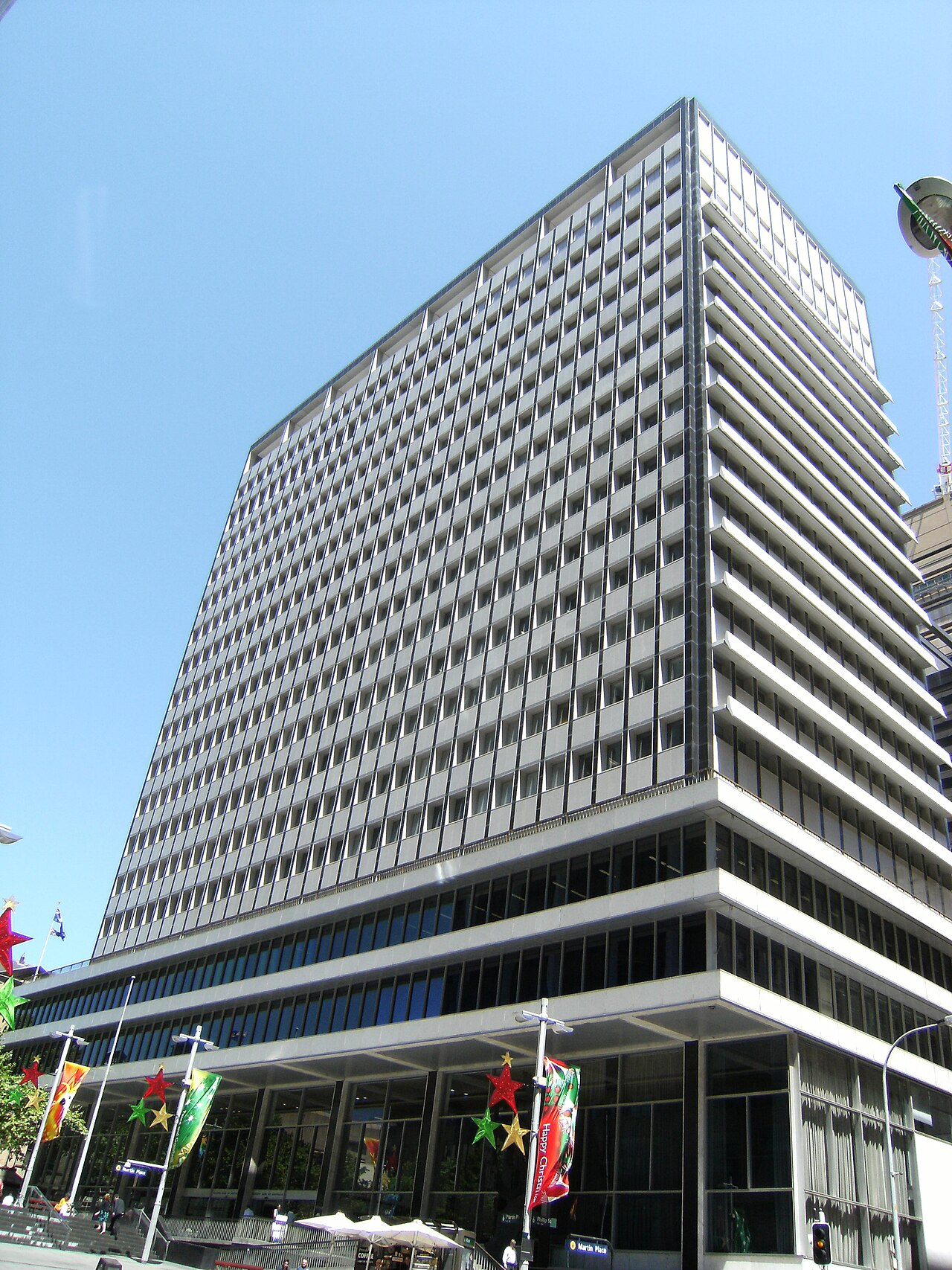
Image: Reserve Bank building in Martin Place, Sydney. File photograph, not an image of the September 2026 decision. Credit: Danausi. Wikimedia Commons original. Public domain. No image edits.

About the author
RullikClear, sourced explainers on Australia and the world
Rullik is the pen name of the founder of Australia Illuminate (Auslume). Rullik writes plain-language explainers on life in Australia, from immigration, study and work to money, sport and screen culture, always linking to the official sources behind each story. Every story is reviewed before publication.
More from Rullik ↗Sources
- https://www.rba.gov.au/speeches/2026/mc-gov-2026-09-29.html
- https://www.abs.gov.au/statistics/economy/price-indexes-and-inflation/consumer-price-index-australia/latest-release
- https://www.rba.gov.au/education/interest-rates-and-inflation/
- https://www.rba.gov.au/publications/bulletin/2025/apr/monetary-policy-transmission-through-the-lens-of-the-rbas-models.html
- https://moneysmart.gov.au/home-loans/problems-paying-your-mortgage