In short: Emergency doctors say Australia's hospitals are not ready for an ageing population. Their college's new report found 53,510 older patients waited more than 24 hours in an emergency department for a bed in 2023-24, up from 15,084 five years earlier.
More than 53,000 older Australians spent over a day in an emergency department waiting for a hospital bed in 2023-24, according to a new report from the country's emergency doctors.
The Australasian College for Emergency Medicine (ACEM) released State of Emergency 2026: Australia's Ageing Population on 13 October. It is the college's third State of Emergency report, and it focuses on what an ageing population means for emergency care.
The numbers on older patients
The figures below come from the ACEM release, which draws on Australian government emergency department data for 2023-24:
Almost nine million people sought care in an emergency department. About a quarter were aged over 65.
More than half of those older patients arrived by ambulance. Nearly seven in ten were triaged as needing more urgent care, and one in two was admitted, compared with fewer than one in four younger patients.
53,510 older people waited more than 24 hours in an emergency department for a bed, up from 15,084 in 2018-19.
Only 54 per cent of older patients who needed admission left the emergency department within the eight-hour target, compared with 71 per cent of younger patients. The college says that gap has widened sharply since 2018-19.
The report also cites a projected 411 per cent increase in emergency department arrivals for people aged 85 and over by 2050. ACEM says emergency departments in regional, rural and remote areas are seeing even faster growth in older patients than metropolitan hospitals.
Why the college says this is happening
ACEM's view is that pressure in emergency departments is mostly a consequence of under-investment elsewhere: not enough capacity in hospitals and residential aged care, and too little investment in primary care and prevention. When an older patient cannot be moved to a ward or into aged care, they stay in the emergency department, often on a trolley or in a corridor.
"Australians are living longer than ever before, and that's something to celebrate," ACEM president Dr Peter Allely said in the release. He added that aged care pressures were "spilling straight into emergency departments" and that by 2030 nearly one in five Australians will be aged 65 and over.
The report includes accounts from emergency physicians, one of whom described the toll on staff of seeing older patients wait in these conditions.
Who should fix it?
The report calls on federal, state and territory governments and hospitals to act, and the ABC reported each side pointing to the other. Federal Health and Ageing Minister Mark Butler said improving hospitals was a challenge for all governments and that the Commonwealth had already made "historic investments" to take pressure off state hospitals. NSW Health Minister Ryan Park said older patients waiting in public hospitals for Commonwealth-funded aged care places were among the most significant pressures on state systems.
Both statements reflect the split in responsibility in Australia's health system: states and territories run public hospitals, while the Commonwealth funds and regulates aged care.
What it means for families
If an older relative needs emergency care, the report's message is that long waits are a system problem rather than a reflection on the staff in front of you. For anything urgent, call 000. For less urgent concerns, a GP or the healthdirect helpline on 1800 022 222 can help you decide where to go.
Related on AusLume Media
Personal care funding and equitable access under Support at Home
Who does what? A plain guide to Australia's three levels of government
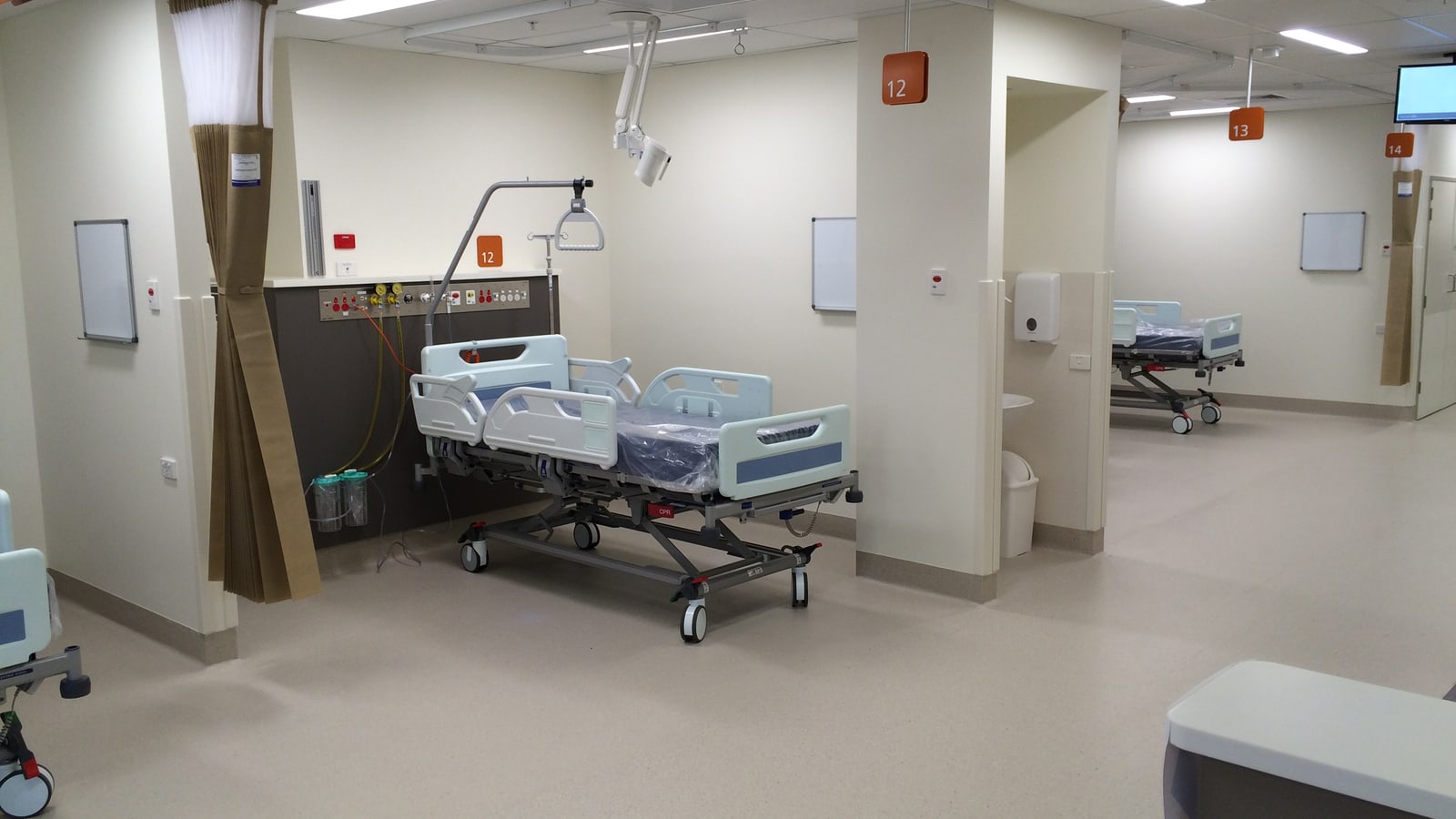
Cover photo: bidgee via Wikimedia Commons, licensed under CC BY-SA 3.0 au. Cropped to fit.

About the author
RullikClear, sourced explainers on Australia and the world
Rullik is the pen name of the founder of Australia Illuminate (Auslume). Rullik writes plain-language explainers on life in Australia, from immigration, study and work to money, sport and screen culture, always linking to the official sources behind each story. Every story is reviewed before publication.
More from Rullik ↗