Watch the video
Player by YouTube. Open original video ↗
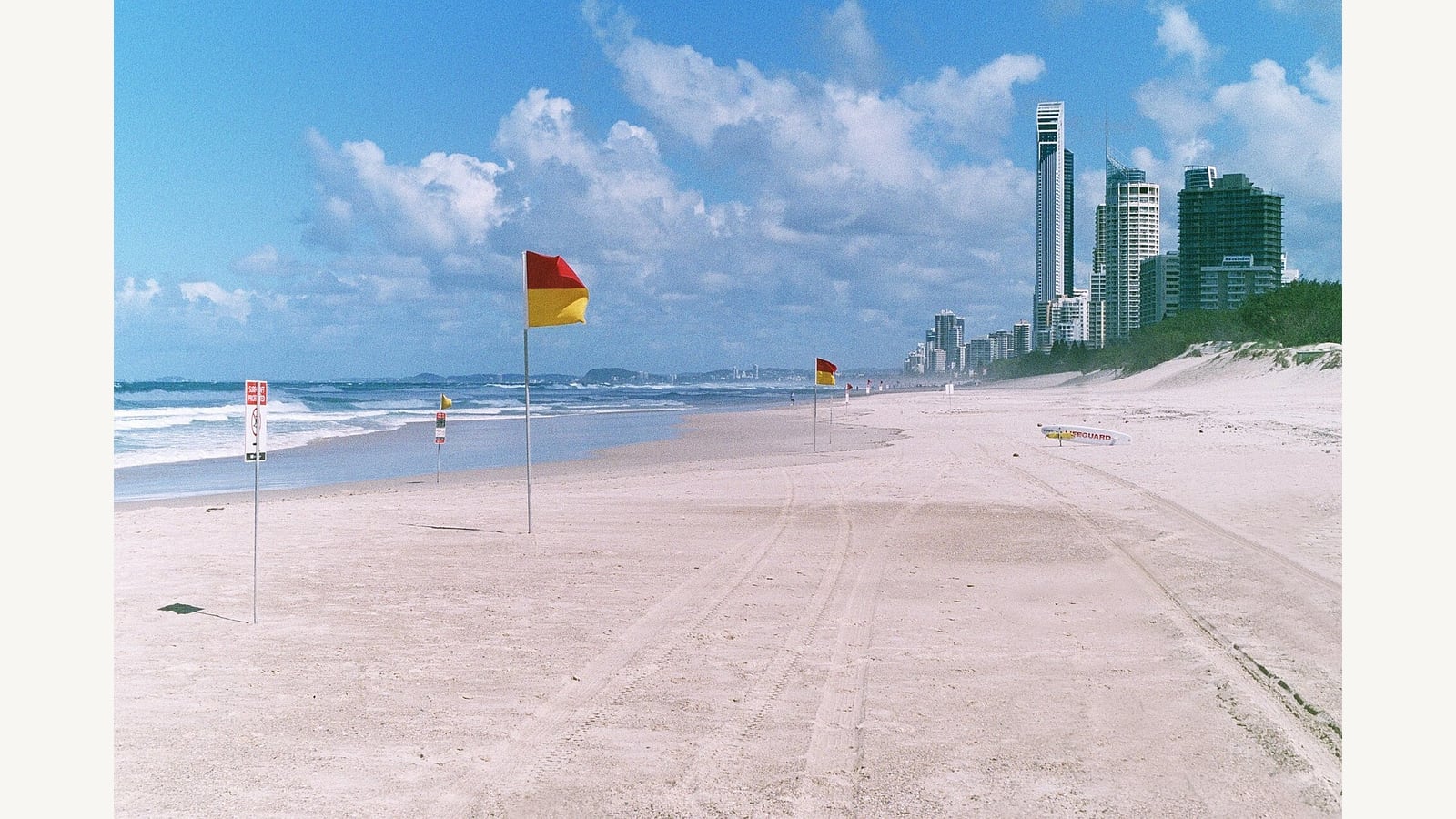
The stretch of water that looks calm is not necessarily the right place to swim. On an Australian surf beach, the more useful starting point is a patrolled area marked by red and yellow flags.
For international students planning a first beach trip, or families visiting from Nepal, it helps to make this part of the outing rather than a decision left until everyone is already in the water.
Look for the swimming area
Study Australia's beach-safety guide advises swimming between the red and yellow flags and choosing beaches where lifeguards are on duty. Read the signs and ask the lifeguards about conditions. Patrol arrangements and safe areas can change, so yesterday's experience is not today's assessment.
If there are no patrol flags, choose another activity or a patrolled beach. An attractive photograph or a quiet car park tells you little about conditions offshore.
Understand why rips are deceptive
A rip current carries water away from the shore. Surf Life Saving Australia's educational video explains that the best way to reduce the risk of encountering one is to swim between the flags. Trying to identify every rip yourself is a poor substitute for choosing a supervised swimming area.
The official guidance advises staying calm if caught, floating and signalling for help rather than exhausting yourself swimming against the current. Follow the lifeguards' instructions. In an emergency, call 000 and ask for the assistance needed; do not enter dangerous surf to attempt a rescue you are not trained to perform.
Make the plan understandable to everyone
Before leaving, agree where you will meet and make sure everyone knows which part of the beach is for swimming. If someone is unsure about their ability or the conditions, watching from the sand is a reasonable choice.
The accompanying Surf Life Saving Australia film is an educational explanation of rip currents, not a live assessment of any beach.

About the author
RullikClear, sourced explainers on Australia and the world
Rullik is the pen name of the founder of Australia Illuminate (Auslume). Rullik writes plain-language explainers on life in Australia, from immigration, study and work to money, sport and screen culture, always linking to the official sources behind each story. Every story is reviewed before publication.
More from Rullik ↗