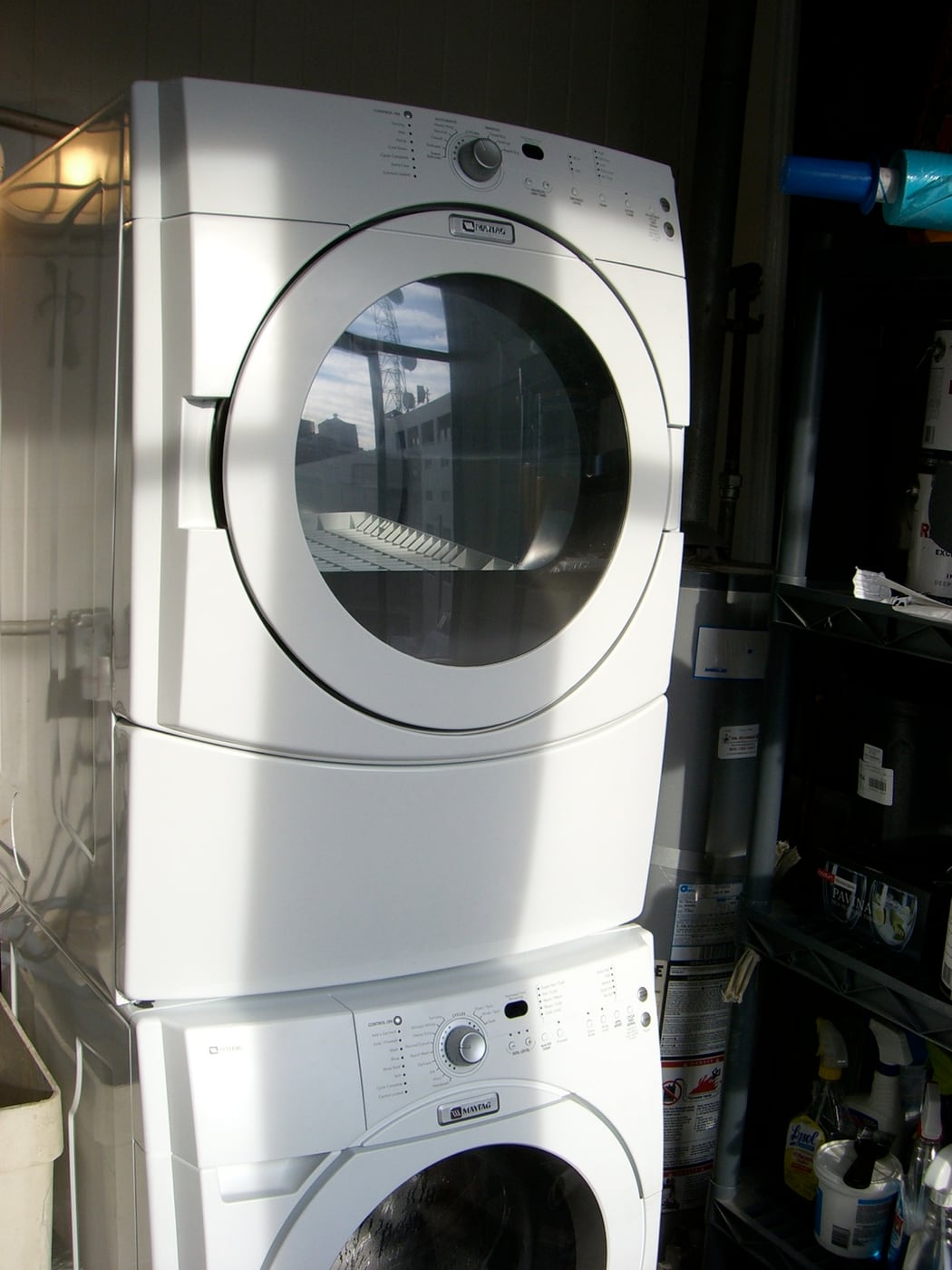

The warranty has finished, so there is nothing we can do. If you hear that after a product fails, it is worth checking whether the conversation has stopped too early.
In Australia, a manufacturer's warranty and consumer guarantees are different protections. An expired warranty does not automatically end a consumer's rights under the Australian Consumer Law. The answer depends on the product, the problem and the circumstances, rather than just the date printed in a warranty booklet.
That does not mean every old or damaged item qualifies for a free replacement. It means the warranty date alone is not a complete assessment.
Start with the right question
The Australian Competition and Consumer Commission explains in its out-of-warranty guidance that consumer guarantees can continue after a warranty expires. They do not have a single fixed expiry date that applies to every purchase.
Instead of asking only whether the item remains under warranty, explain what failed and ask the retailer to consider your consumer guarantee rights. Have the purchase details, description of the fault and any relevant correspondence ready.
Avoid treating an online rule of thumb as a promised lifespan. A claim that every laptop must last a particular number of years, for example, may leave out the product's quality, price, representations and use. The ACCC's durability guidance explains why those circumstances matter.
Make a clear record of the problem
Before contacting the business, write down when you bought the item, when the fault appeared and what you observed. Separate observations from guesses about the cause. Saying the device shuts down during ordinary use is clearer than asserting that a particular internal component is defective without evidence.
Keep proof of purchase and the original listing or description if you have it. Photos or a short video may help show an intermittent fault, but do not keep operating an item if doing so appears unsafe. Describe the issue without attempting a repair you are not qualified to perform.
If you have already contacted the business, add the date, reference number and response to your notes. This creates a usable history if the matter goes to another staff member. It also helps you avoid repeating the entire story differently each time.
The remedy depends on the failure
The ACCC's repair, replace, refund or cancel guidance distinguishes major and minor problems. The available remedy depends on that distinction and the circumstances. A consumer cannot assume every fault gives them an immediate right to choose a refund.
The same guidance explains that the business which sold a product cannot simply avoid its responsibilities by directing the consumer to the manufacturer. A manufacturer's involvement may help resolve a fault, but it is not the whole answer to the retailer's obligations.
A change of mind is also different from a product failing to meet a guarantee. If the item is sound and you just prefer a different colour, the business's returns policy may be the relevant starting point. Be clear about what has actually gone wrong.
Write a practical first message
Here is an original example of how to structure an enquiry. Adapt it to the facts; it is not a legal form or a promise of a particular outcome.
I bought this item from your store on the date shown in the attached record. It has developed the following problem during normal use. I first noticed the issue on this date. Please assess it under the consumer guarantees and explain the proposed next step, including how the item should be provided for assessment.
Follow that with a short description and relevant evidence. There is no benefit in adding accusations you cannot support. A precise request gives the business something concrete to respond to and creates a clearer record if its answer does not address the issue.
If the response only repeats that the warranty has ended, ask whether the business has also considered consumer guarantees. Keep that question separate from any discussion about buying an extended warranty or paying for a new product.
Keep the discussion moving
Ask who is handling the matter, what information is needed and when you should expect an update. If a proposed assessment involves a fee or another condition, ask for the details before agreeing. Do not assume that a verbal description covers every cost or consequence.
After a phone call, make a dated note of the main points. If the business sends a written outcome, compare it with the question you asked. Does it explain the fault and proposed remedy, or only refer to the warranty period?
The ACCC provides guidance and receives reports, but does not resolve individual consumer disputes. Its remedy guidance points consumers towards further options, including state and territory consumer agencies. Use those official pathways if the issue remains unresolved.
Before your next purchase
Keep the receipt somewhere you can retrieve it and save the product description if a feature or durability claim matters to your decision. This is useful record keeping, not a reason to buy extra cover without examining it.
When something fails, the key is to assess the actual problem. A warranty expiry date is one piece of paperwork. It is not, by itself, the end of the conversation.
Keep a copy of any final agreement about the remedy, including what will happen to the original item. Before handing over a device, ask about your data and follow appropriate instructions for protecting it.
Source check: 27 September 2026. General consumer information; individual disputes depend on their facts.

About the author
RullikClear, sourced explainers on Australia and the world
Rullik is the pen name of the founder of Australia Illuminate (Auslume). Rullik writes plain-language explainers on life in Australia, from immigration, study and work to money, sport and screen culture, always linking to the official sources behind each story. Every story is reviewed before publication.
More from Rullik ↗This article was prepared with AI assistance.
Sources
- https://www.accc.gov.au/media-release/broken-but-out-of-warranty-your-consumer-guarantee-rights-may-still-apply
- https://www.accc.gov.au/system/files/acl-consumer-guarantee-guidance-durability.pdf
- https://www.accc.gov.au/consumers/problem-with-a-product-or-service-you-bought/repair-replace-refund-cancel