An advertising tune, a television scene or a family recollection can leave you with a vivid memory and very little information to search. Before looking for the clip itself, separate what you remember from what you are guessing.
Was it television or radio? Roughly when did you encounter it? Do you remember a phrase, a person, a place or a product? A short note with those details makes a better starting point than deciding on a title and forcing every result to fit it.
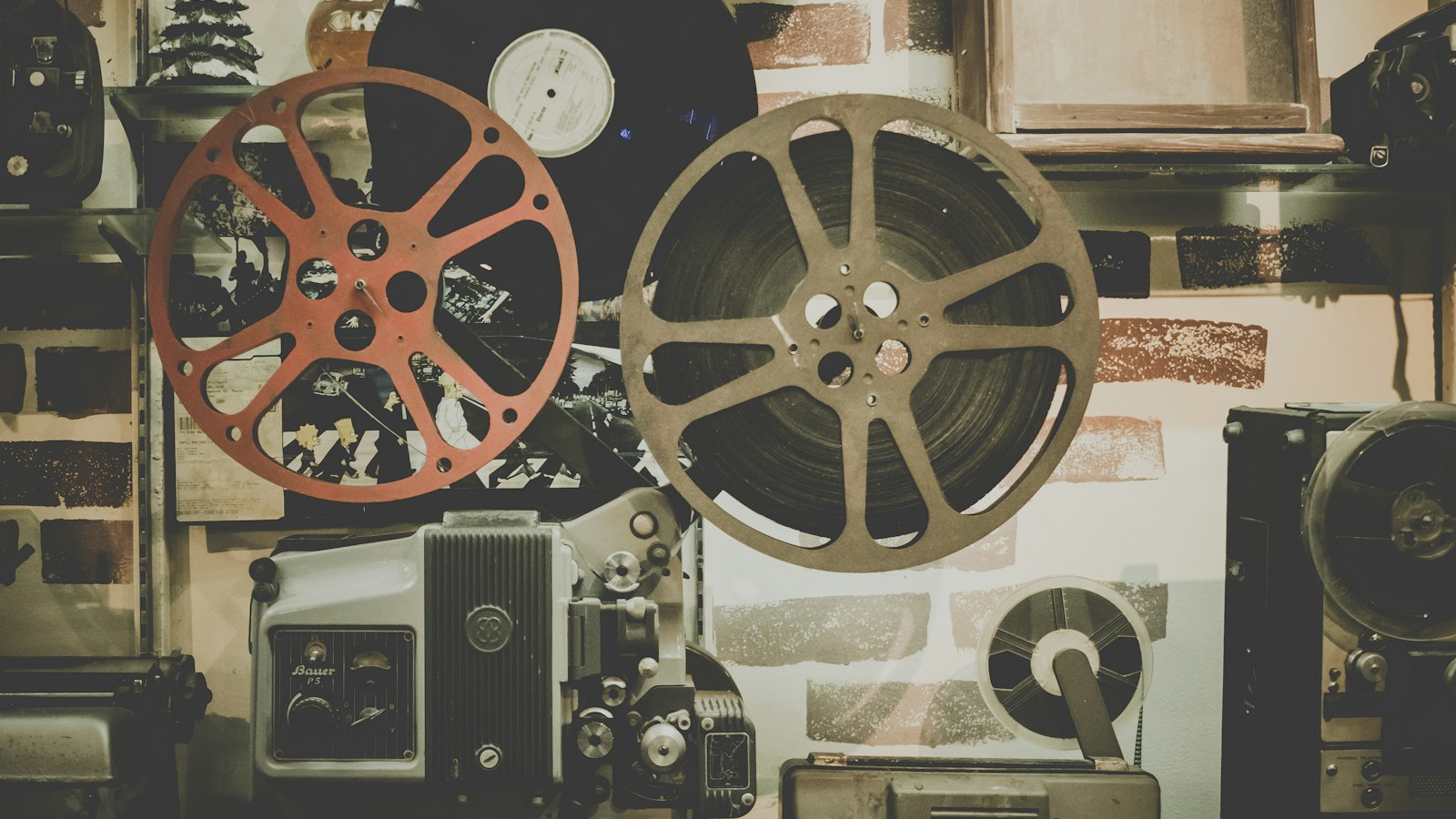
The National Film and Sound Archive of Australia collects and preserves audiovisual material and provides public ways to explore it. Its national collection includes moving images, recorded sound and contextual items such as scripts, photographs and promotional material. The archive describes several routes to public access, rather than promising that every item can be played online. The national audiovisual collection.
Make the search question small
Take a fictional example. Priya remembers seeing a television advertisement with her family soon after arriving in Australia. She remembers a tune and a household product, but her memory of the year is uncertain.
Instead of asserting a date, she can record a range. Instead of guessing an actor's identity, she can keep the description as a question. That makes it easier to revise the search when a result disagrees with her first impression.
| Detail | How to record it |
|---|---|
| Known | A phrase, product name or other detail you are confident about |
| Approximate | A date range or place, labelled as uncertain |
| Guessed | A possible title or person to test against a source |
| Found | A record URL and the description given by that source |
The distinction helps you avoid repeating your own guess as though the archive confirmed it.
Choose the appropriate starting point
For a broad introduction, the NFSA's website offers curated stories and links to its collections. These can help you discover the language used to describe a genre, format or period. The collection page also links to the catalogue for finding holdings. About the NFSA.
For material presented for online viewing, the NFSA links to its Player. Check each item's current access conditions rather than assuming that an entry elsewhere on the site grants the same access. NFSA Player.
Read the description before trusting the thumbnail
When you find a promising result, compare its description with your original note. Record what the source says about the item, who made it and the date. If the page distinguishes an original work from a later edition or presentation, keep that distinction in your citation.
Do not treat a resemblance as proof. A clip can look familiar because it belongs to the same period or uses similar scenery. Your recollection is useful search material, but it does not establish the item's identity.
The same care applies when sharing a discovery with family. Sending a link with a note that says 'this might be the one' leaves room for correction. Labelling it as a confirmed family connection before checking can turn an interesting find into a misleading story.
Access does not settle reuse
Watching, researching, reproducing and publishing are different intended uses. Check the item's information and the archive's relevant access or licensing route before using a clip in your own public work. A credit is useful attribution; it does not by itself supply a missing permission.
If you need assistance, approach the archive through its published contact route with your research question and the reference you found. Avoid sending unrelated personal documents. Be specific about whether you want to identify an item, view it or ask about using it.
Keep the source link beside your notes. Later, if a title or date changes your understanding, you can return to the actual record rather than relying on a cropped image or a remembered search result.
Updated 19 October 2026: This explainer now includes a fictional search example, a research worksheet and guidance on checking a record and its access conditions.

About the author
RullikClear, sourced explainers on Australia and the world
Rullik is the pen name of the founder of Australia Illuminate (Auslume). Rullik writes plain-language explainers on life in Australia, from immigration, study and work to money, sport and screen culture, always linking to the official sources behind each story. Every story is reviewed before publication.
More from Rullik ↗This article was prepared with AI assistance.