Watch the video
Player by YouTube. Open original video ↗
South Asia's October-to-December climate outlook points to different rainfall patterns across the region, the World Meteorological Organization reported on 14 October. The consensus outlook reflects strong El Niño conditions and covers nine countries, including Nepal, India, Bangladesh and Pakistan.
WMO describes normal to above-normal temperatures as likely over much of the region. Its rainfall outlook varies by area. That is a regional seasonal assessment, not a prediction of rain at a particular address on a particular day.
A seasonal outlook is a planning layer
The practical use of a seasonal outlook is to think about conditions that may affect agriculture, water management and preparedness over several months. It expresses a tendency relative to a reference climate, rather than a complete timetable of weather events.

For someone visiting family in Nepal, the relevant forecast still depends on the destination, altitude and travel date. A regional statement about warmer conditions cannot establish that a mountain route is safe or that a road will remain open. Check the responsible national and local services as the trip approaches.
Do not turn probability into certainty
Above-normal seasonal rainfall does not mean rain every day. Below-normal rainfall does not exclude a dangerous downpour. Both statements concern a longer-period pattern, which can contain short, severe events.
Readers should also compare the same forecast period when checking updates. A July outlook for three months is not interchangeable with an October outlook for the end of the year. Keep the issue date and covered months with any screenshot shared in a family group.
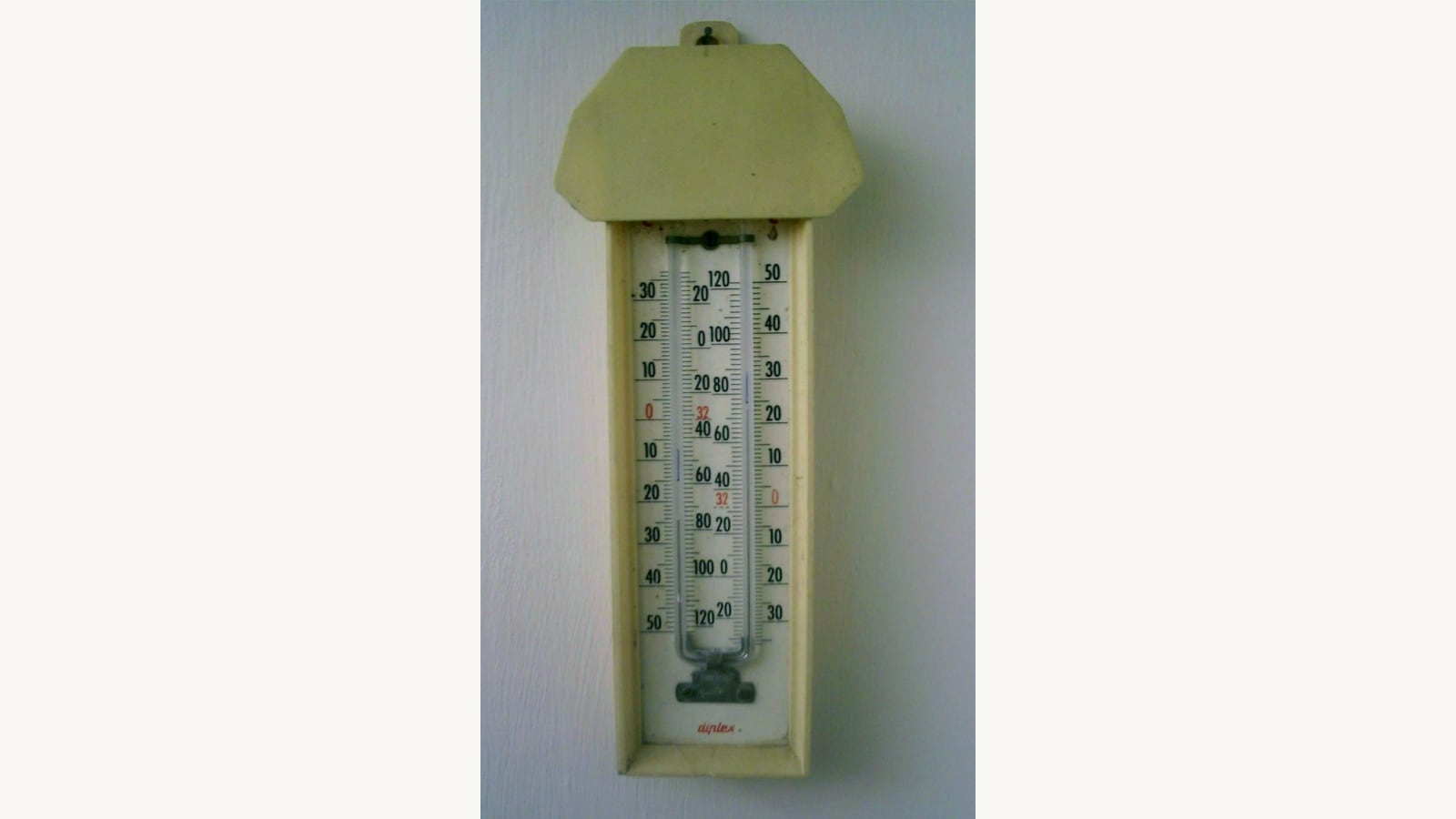
The new outlook can help start preparation and questions about water or agricultural exposure. Day-to-day action requires more local information. Use the seasonal signal for context, then follow current forecasts and warnings for the place where a decision is being made. The thermometer file image is illustrative, not a temperature observation from this forecast.
Related video: World Meteorological Organization - WMO. WMO’s September 2025 water-resources video explains water variability. It is background, not the current South Asia seasonal forecast. Watch The State of Global Water Resources report - English.

About the author
RullikClear, sourced explainers on Australia and the world
Rullik is the pen name of the founder of Australia Illuminate (Auslume). Rullik writes plain-language explainers on life in Australia, from immigration, study and work to money, sport and screen culture, always linking to the official sources behind each story. Every story is reviewed before publication.
More from Rullik ↗This article was prepared with AI assistance.
Image credits
- A maximum and minimum thermometer mounted on a wall. Illustrative photograph, not a current Australian temperature reading.: Photo: Lumos3 at English Wikipedia / Wikimedia Commons, CC BY-SA 3.0 (https://creativecommons.org/licenses/by-sa/3.0/). Resized without cropping. Source: https://commons.wikimedia.org/wiki/File:Max_Min_Thermometer.JPG