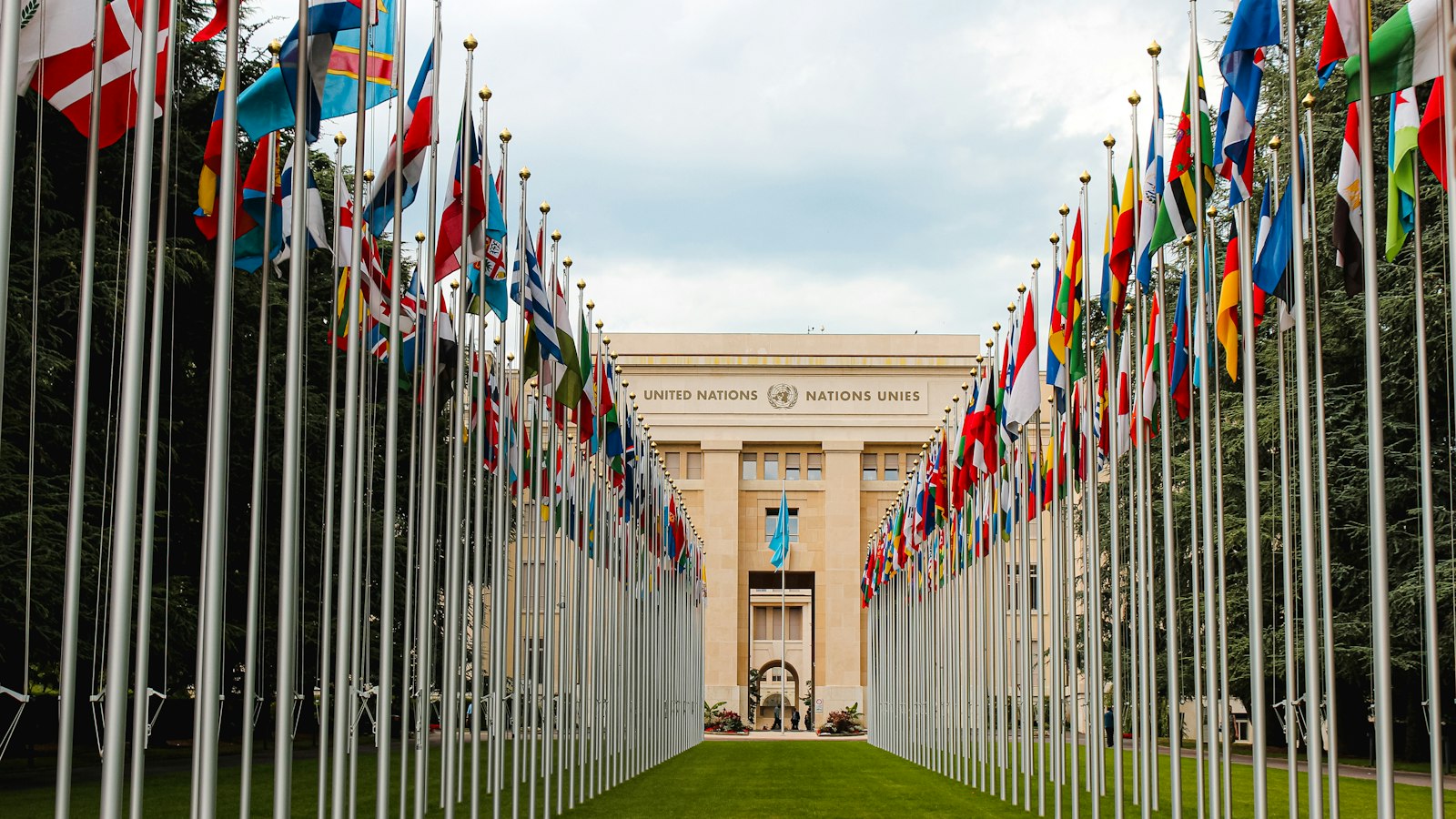
The United Nations Security Council appears in international news whenever a conflict escalates. Understanding what it is, and what it can and cannot do, makes those stories much easier to follow.
Its job
The UN Charter gives the Security Council primary responsibility for maintaining international peace and security. Other UN bodies make recommendations, but the Security Council is the one organ whose decisions member states are obliged to carry out under the Charter.
Who sits on it
The Council has 15 members. Five are permanent: China, France, the Russian Federation, the United Kingdom and the United States. The other ten are elected by the General Assembly for two-year terms, so its membership changes regularly.
What it can do
When a complaint about a threat to peace comes before it, the Council usually starts by encouraging the parties to reach agreement peacefully. It may set out principles for an agreement, investigate or mediate, send a mission, appoint special envoys or ask the Secretary-General to help. If a dispute becomes a conflict, its priority is to bring the fighting to an end as quickly as possible.
Reading the news with this in mind
When you see a report about a Security Council meeting, it helps to ask three questions. Did the Council adopt a decision, or only discuss the issue? Who voted, and how? And what does the decision actually require member states to do? The answers often matter more than the headline.
States that are not on the Council can still take part in its discussions, without a vote, when their interests are affected. That is why you will sometimes see countries speaking at meetings even though they are not members.

About the author
RullikClear, sourced explainers on Australia and the world
Rullik is the pen name of the founder of Australia Illuminate (Auslume). Rullik writes plain-language explainers on life in Australia, from immigration, study and work to money, sport and screen culture, always linking to the official sources behind each story. Every story is reviewed before publication.
More from Rullik ↗This article was prepared with AI assistance.