Watch the video
Player by YouTube. Open original video ↗
If moths have gathered around your porch light this week, some may be bogong moths on their spring journey towards the Australian Alps.
Reports across south-eastern Australia concern bogong moths moving towards the Australian Alps. They are native insects migrating within the country, rather than a new wave of moths arriving from overseas. Australian Geographic reported the annual movement on 30 September, while ABC coverage earlier in the week described large numbers being noticed in parts of New South Wales. [1][2]
These reports concern migration within Australia. They do not establish a recovery in the species' population.
Why they are moving
Bogong moths travel from lowland breeding areas towards cooler alpine places where they spend summer. The seasonal journey connects places that may seem unrelated to someone watching a moth rest on a window: inland landscapes, suburbs and mountain habitat.
Zoos Victoria describes spring movements of up to 1,000 kilometres and asks people to contribute sightings to its Moth Tracker programme. Its guidance explains the moths' importance as food for mountain pygmy-possums. A small insect seen far from the Alps can be part of a much larger ecological connection. [3]
A crowd around one light tells us moths are present at that spot. It cannot tell us how many reached the mountains or whether numbers increased across the full migration route.
More sightings are encouraging, but the conclusion needs care
The ABC's 28 September report describes researchers considering rainfall, warmer winter conditions and winds as possible contributors to the conspicuous movement. Those explanations were presented as possibilities, not a settled account of exactly why this year's sightings look different. [2]
Reported sightings depend on flight conditions, where moths gather and how many people notice them, as well as insect numbers. More submissions give researchers information, but do not by themselves prove population growth.
Earlier September reporting on a tagging project offers another reminder of how difficult migration research can be. ABC reported that researchers had not recovered the expected sightings of thousands of tagged moths, while untagged observations were still contributing information. Not locating a tag is not, on its own, proof of what happened to the moth carrying it. [4]
Turn a moment of curiosity into useful information
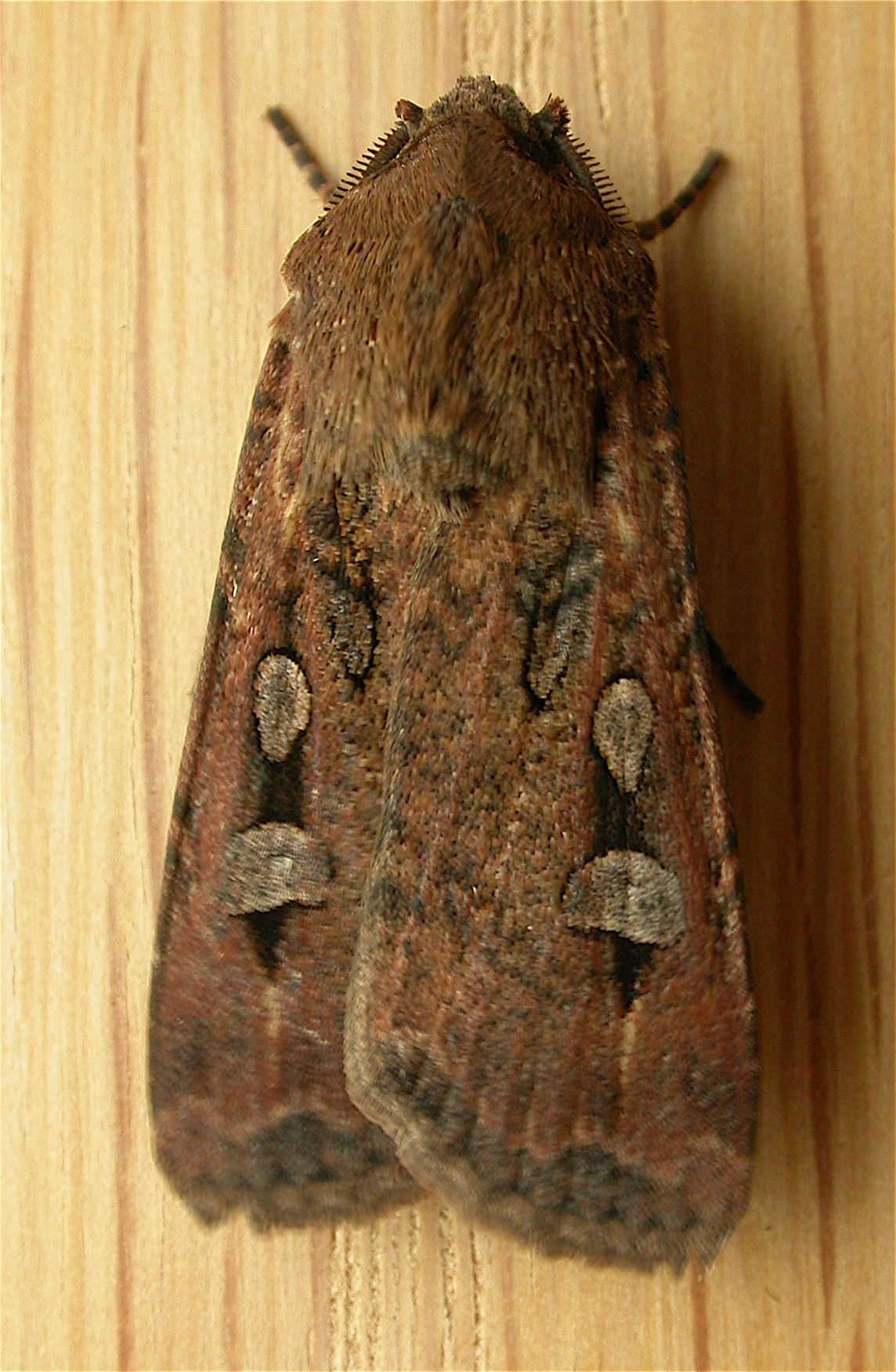
If you think you have found a bogong moth, a clear photograph can be more useful than a confident social-media identification. Zoos Victoria says people who are uncertain can still upload a photograph for its team to verify. Its identification guide shows markings to look for. [3]
Keep your record simple: the date, the location requested by the reporting service and a photograph that shows the insect clearly. Avoid adding precise home-location details to a public social post if you do not want them shared. Use the citizen-science service's own submission process and check its privacy information.
Photograph the insect as you find it and record the context honestly. Do not stage a scene or label a generic moth photograph as a sighting from today.
What to share with friends
Sightings can help researchers understand the migration. Zoos Victoria also advises turning off unnecessary outdoor lights during migration periods. Keep any lighting you need for safety. [3]
Avoid forwarding a claim that every moth around your house is a bogong moth, or that the species has now recovered. Those are different claims requiring different evidence. If you post a photograph, say where and when you saw it, and make clear if the identification has not been confirmed.
The ABC News video below was published on 27 October 2025. It provides background on bogong moth migration and does not show this year's sightings.
Image: A bogong moth photographed in Aranda, ACT, in October 2008. Species file photo, not a 2026 sighting. Credit: Donald Hobern from Canberra, Australia. Wikimedia Commons original. CC BY 2.0. No image edits.

About the author
RullikClear, sourced explainers on Australia and the world
Rullik is the pen name of the founder of Australia Illuminate (Auslume). Rullik writes plain-language explainers on life in Australia, from immigration, study and work to money, sport and screen culture, always linking to the official sources behind each story. Every story is reviewed before publication.
More from Rullik ↗